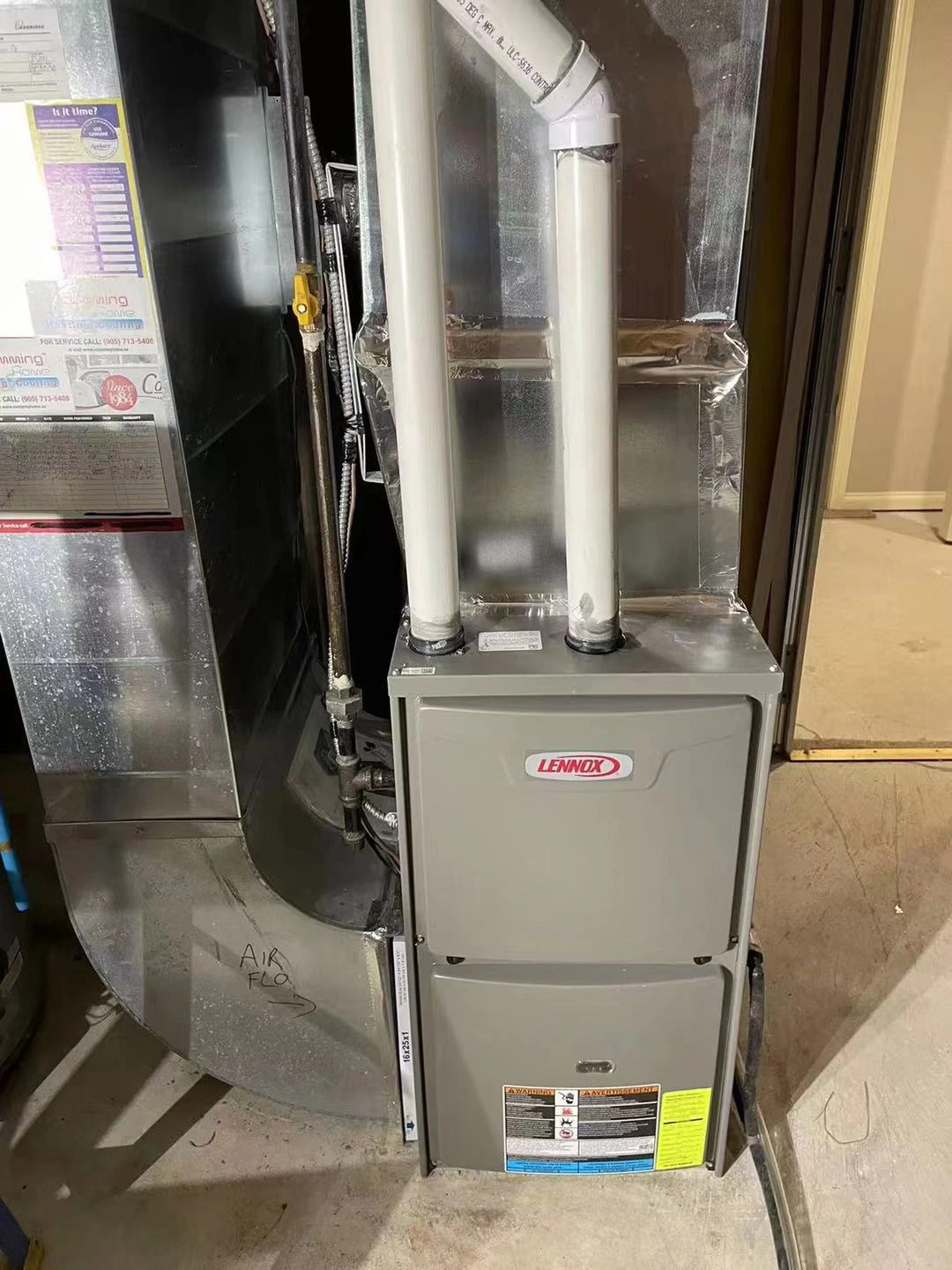
A brand-new furnace can only perform as well as the thermostat controlling it. If you've just invested in a new heating system for your Columbia, SC home, or you're planning one soon, choosing the right thermostat for your new furnace is just as important as the furnace itself. The wrong thermostat, or one that isn't wired and configured correctly, can leave you with uneven heating, higher energy bills, and a furnace that never quite lives up to its potential.
At Air Logic, we see this often: homeowners upgrade their furnace, then reuse an old thermostat or grab whatever smart model is on sale, without checking whether it actually matches their new equipment. This guide walks you through what to look for so your new furnace and thermostat work together the way they're supposed to, right from day one.
Your thermostat is the command center for your entire heating system. It reads the temperature in your home, decides when the furnace should run, and in many cases controls staging, fan speed, and scheduling. A mismatched or poorly installed thermostat can cause a furnace to short cycle, run longer than necessary, or fail to reach the temperature you've set, even when the furnace itself is working perfectly.
This is especially true with today's furnaces. Many newer units are single-stage, two-stage, or variable-speed, and each type communicates with a thermostat differently. A thermostat built for a basic single-stage system won't necessarily unlock the efficiency of a two-stage or modulating furnace, which means part of what you paid for in your new equipment could go unused.
Getting the pairing right also affects your day-to-day comfort. A thermostat that's properly calibrated, correctly wired, and configured for your specific furnace will hold a set temperature more consistently, respond faster to changes, and cycle the system in a way that avoids the drafts and temperature swings that come from a mismatched setup.
Before deciding on a thermostat, it helps to know the main categories available and where each one fits best.
Programmable thermostats let you set schedules for different times of day, so your furnace can automatically run less while you're asleep or away and warm the house back up before you return. They're a solid, budget-friendly option for households with predictable routines.
Smart thermostats add app control, remote adjustments, geofencing, and usage reports, and some offer learning features that adjust automatically to your habits. They can be an excellent match for a new furnace, but compatibility matters, particularly with multi-stage or heat pump systems, so it's worth confirming before you buy.
If you want simple, reliable control without schedules or apps, a non-programmable digital thermostat is a straightforward option. It won't offer the energy-saving automation of a programmable or smart model, but it's easy to use and easy to troubleshoot.
If your new furnace is paired with a heat pump in a dual-fuel setup, you'll need a thermostat designed to manage both systems and switch between them correctly. A standard furnace thermostat isn't built to handle that kind of coordination.
If you're pairing a new furnace with an existing thermostat, it's worth checking whether that thermostat is actually still doing its job. A new furnace paired with a struggling old thermostat won't deliver the comfort or efficiency you're expecting. Common signs it's time to upgrade include:
If any of these sound familiar, it's a good sign that your thermostat, not just your furnace, deserves a fresh look.
Not every thermostat works with every furnace, and this is where a lot of DIY thermostat swaps run into trouble. Before choosing a thermostat for your new furnace, it's worth confirming the following:
A thermostat that powers on but isn't configured for your furnace's actual capabilities can quietly waste the efficiency gains you paid for with a new system. This is one of the reasons homeowners who recently completed a furnace installation in Columbia, SC through Air Logic have us handle the thermostat pairing at the same time, so compatibility is confirmed as part of the installation rather than guessed at afterward.
Many smart thermostats need continuous power, which typically comes from a C-wire, or common wire. If your home doesn't already have one, you're not necessarily out of options. Manufacturer-approved power adapter kits exist for exactly this situation, and some thermostats are designed to work without a dedicated C-wire.
What isn't a good idea is forcing a thermostat to work with unofficial wiring workarounds. These shortcuts can lead to short cycling, drained power, or other operating glitches with your new furnace. If you're unsure whether your home has a C-wire, that's a quick thing to check before you commit to a specific thermostat model.
Even the right thermostat can underperform if it's mounted in the wrong spot. Location affects how accurately it reads your home's actual temperature, which directly affects how your furnace runs. When positioning a new thermostat, avoid areas that are:
An interior wall, away from drafts and heat sources, generally gives the most accurate readings and the most consistent comfort throughout your home.
When you're installing a new furnace, deciding on a thermostat doesn't have to be a guessing game. During a furnace installation, our technicians assess your home's heating needs, recommend a furnace sized correctly for your space, and can pair it with a thermostat that actually matches its capabilities, whether that's a single-stage system or something more advanced.
If you want a closer look at what that installation process involves, from the initial consultation and furnace selection through testing and final walk-through, our furnace installation page walks through each step. Handling the furnace and thermostat together also means one less thing to coordinate on your own, and one less chance for a compatibility issue to slip through.
Air Logic is a locally owned and operated HVAC company serving Columbia and the greater Midlands with over 30 years of experience. Our certified technicians service all major thermostat and furnace brands, and we back our work with straight answers and upfront communication, not upselling. If you're weighing the cost of a new furnace and thermostat together, financing options are also available, so budget doesn't have to stand between you and a system that's set up correctly from the start.
Choosing the right thermostat for your new furnace comes down to matching your equipment, your wiring, and your household's routine, and confirming all three before installation day. If you're planning a new furnace for your Columbia, SC home, or you already have one and want to make sure your thermostat is actually keeping up with it, Air Logic can help.
Call Air Logic at (839) 221-3512 or contact us online to schedule a consultation. We'll help you choose a thermostat that matches your new furnace and install it correctly the first time.

From AC repairs to heating installations and indoor air quality solutions, our certified HVAC specialists are ready to help whenever you need us. Count on us for honest guidance, dependable service, and quick response times.
Reach out today, we’re always here to keep you comfortable.
Air Logic
534 St. Andrews Rd, #C, Columbia, SC 29210
(839) 221-3512