If your Columbia, SC winter heating bill has ever made you wince, or your furnace seems to run in short, inefficient bursts on chilly mornings only to sit idle the rest of the day, you are not imagining the mismatch. Traditional gas furnaces and electric resistance heaters are built for climates that see long stretches of hard freezes. Columbia rarely gets that kind of winter. Instead, homeowners here deal with cool mornings, mild afternoons, and the occasional cold snap, conditions that are almost tailor-made for a different kind of heating and cooling system. That system is the heat pump, and it is quickly becoming the go-to choice for homeowners across the Midlands who want lower energy bills without sacrificing comfort. At Air Logic, we install and service heat pumps throughout Columbia, SC every week, and we consistently see the same pattern: mild winter climates like ours are exactly where this technology performs best.
Columbia sits within a humid subtropical climate zone, which means winters here are short and comparatively gentle. January, the coldest month, typically brings average high temperatures in the mid-to-upper 50s and lows in the mid-30s, with hard freezes and snowfall being the exception rather than the rule. Compare that to the Midwest or Northeast, where sustained sub-freezing temperatures are common for months at a time, and it becomes clear why heating equipment that works well in Minneapolis is not necessarily the right fit for the Midlands.
This distinction matters because heat pumps are a heat transfer technology, not a heat generation technology. Their efficiency is directly tied to how large a gap exists between the outdoor air temperature and the indoor temperature you are trying to reach. In a climate like Columbia's, that gap stays small and manageable for most of the winter season, which lets a heat pump do its job with far less strain and far less electricity than it would need in a harsher climate.
Unlike a furnace, which burns fuel or uses electric resistance coils to create heat from scratch, a heat pump simply moves existing heat from one place to another. In the winter, it extracts thermal energy from the outdoor air, even on a cool 45-degree day there is usable heat present, and compresses and transfers that energy indoors. In the summer, the process reverses: the system pulls heat out of your home and releases it outside, functioning as a highly efficient air conditioner.
Because a heat pump is not manufacturing heat through combustion or resistance, it can deliver two to three units of heating output for every single unit of electricity it consumes. That ratio, often referred to as the coefficient of performance, is what separates heat pumps from traditional systems and is also why the technology shines brightest in moderate climates where the outdoor air still holds plenty of extractable warmth.
For homeowners in Columbia, SC, the practical benefits of this heat transfer process show up directly on the monthly utility bill and in day-to-day comfort. Some of the most notable advantages include:
Every heat pump has what is known as a balance point, the outdoor temperature at which it can no longer meet 100 percent of a home's heating demand on its own without supplemental heat. For many standard heat pumps, that balance point sits somewhere around the mid-30s to low-40s Fahrenheit. In regions where winter temperatures regularly plunge well below that threshold for weeks at a time, homeowners often need backup electric resistance heat or a hybrid dual-fuel system to fill the gap.
Columbia rarely puts a heat pump in that position. With average winter lows typically staying in the mid-30s and hard freezes limited to occasional cold snaps, a properly sized heat pump can carry the vast majority of a Midlands home's heating load on its own, operating in its most efficient range for most of the season. This is a major reason heat pumps have become so popular across the Southeast, where the climate plays directly to the technology's strengths.
Not every home needs a new system immediately, but there are a few common signals that it may be time to consider making the switch:
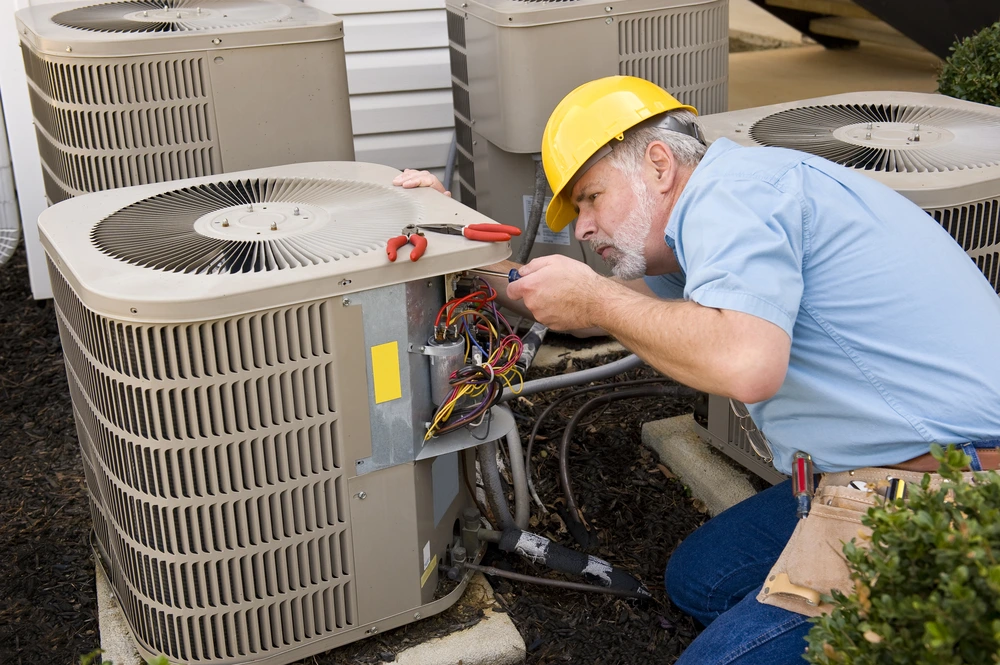
Getting the full benefit of a heat pump in Columbia's climate starts with correct sizing and professional installation. A unit that is too small will struggle to keep up on the coldest days of the year, while an oversized unit will cycle inefficiently and wear out faster than it should. Our heat pump installation process in Columbia, SC begins with an in-depth assessment of your home's square footage, insulation, and existing ductwork, followed by guidance on selecting a system that matches your household's heating and cooling needs and budget. From there, our certified HVAC technicians handle the installation itself and thoroughly test the completed system to confirm it is running at peak efficiency before we consider the job finished.
Columbia's mild winters are practically built for heat pump technology, and there is no better time to find out how much a properly sized, professionally installed system could save your household. Our certified technicians will evaluate your home, walk you through your options, and handle every step of the heat pump installation process from start to finish.
Call Air Logic today at (839) 221-3512 or visit our contact page to start enjoying dependable, energy-efficient comfort all year long.

From AC repairs to heating installations and indoor air quality solutions, our certified HVAC specialists are ready to help whenever you need us. Count on us for honest guidance, dependable service, and quick response times.
Reach out today, we’re always here to keep you comfortable.
Air Logic
534 St. Andrews Rd, #C, Columbia, SC 29210
(839) 221-3512