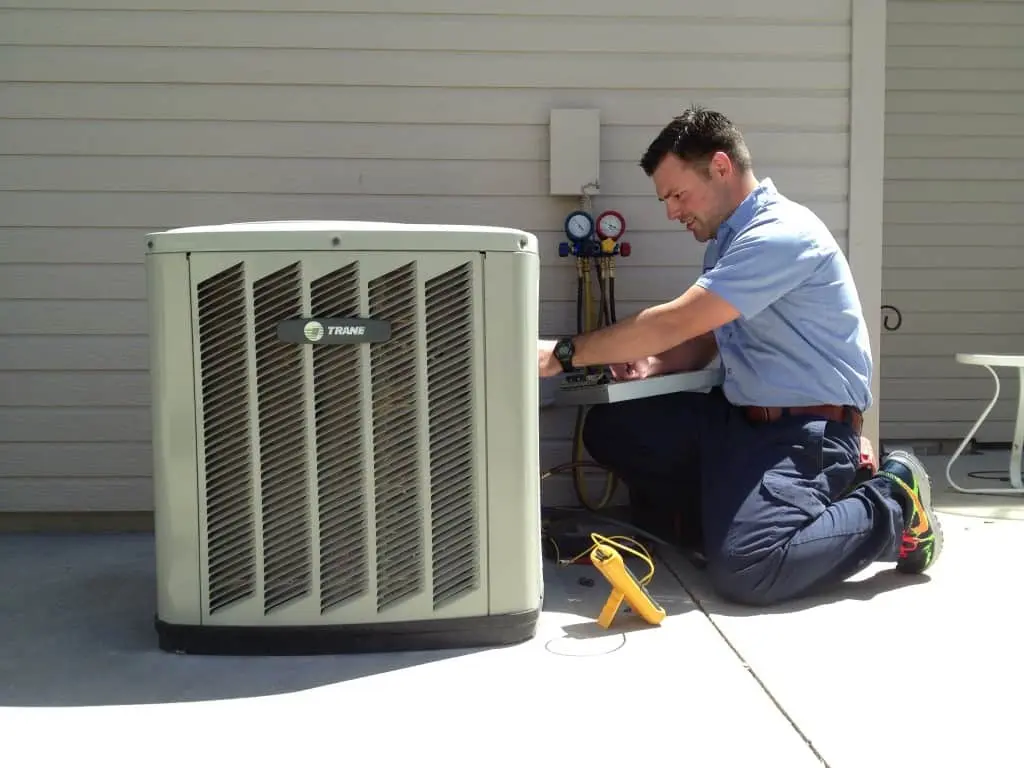
Stepping into a puddle of water on your floor is one of the most unsettling things a homeowner can discover; especially when it's coming from the air conditioner that's supposed to be keeping you cool, not soaking your carpet. If you've searched "AC leaking water inside your house" because you're staring at a mystery puddle right now, you're not alone. It's one of the most common service calls we get at Air Logic during Columbia, SC's hot, humid summers, and in almost every case, the fix is more straightforward than it looks.
Before we get into what's going wrong, it helps to understand what your air conditioner is supposed to be doing with all that water. Your AC doesn't just cool the air in your home; it also pulls moisture out of it, which is a big deal in Columbia's muggy summers. As warm, humid air passes over the evaporator coil inside your indoor unit, the refrigerant inside the coil absorbs heat and causes water vapor in the air to condense on the coil's surface, much like condensation forming on a cold glass of sweet tea on a July afternoon.
That condensation drips into a drain pan beneath the coil, then flows out through a condensate drain line - typically a white PVC pipe - and exits your home safely, usually near your outdoor unit or into a floor drain. When every part of that system is working correctly, you'd never even notice it happening. When one part fails, that water has nowhere to go but onto your floor, ceiling, or walls.
Once we're on-site, our technicians typically trace an indoor water leak back to one of these seven issues:
Homeowners across Columbia, SC deal with this issue more than most because of how much moisture our summers pack into the air. High humidity means your AC's evaporator coil is pulling significantly more water out of your indoor air than it would in a drier climate, which puts extra strain on the condensate drain line and drain pan for months at a time. That's why AC leaking water inside your house tends to spike as a service call in the Midlands from late spring through early fall, exactly when your system is working its hardest and can least afford downtime.
A small puddle might not seem urgent, but an indoor AC leak can cause real damage the longer it's ignored:
A little water around your indoor unit during peak humidity can sometimes be normal condensation. But you should call a professional right away if you notice standing water pooling on the floor, water stains spreading across a ceiling or wall, ice forming on your refrigerant lines or coil, your system running but failing to cool effectively, or a musty smell developing near your air handler. Trying to guess at the cause or ignoring it and hoping it dries up usually costs homeowners more in the long run than an upfront diagnostic visit.
Air Logic has been serving Columbia and the Midlands with AC repair services for more than 30 years, and an AC leaking water inside your house is one of the calls our technicians handle most often, especially during our hottest months. When you call us, we don't just mop up the symptom, we track down the actual cause.
Because water damage doesn't wait for regular business hours, our team is available 24/7 for emergency AC repair across Columbia, SC. Whether your leak turns out to be a simple drain line flush or a more involved repair like a coil or drain pan replacement, we'll walk you through the diagnosis, the repair, and the maintenance steps that keep the problem from coming back.
Helpful reading on diagnosing AC problems and knowing when it's time to call for repair.
If your AC is leaking water inside your house, don't wait for the puddle to become a bigger problem. Air Logic's certified technicians are available 24/7 to diagnose the cause, stop the leak, and get your system running safely again. Call us today at (839) 221-3512 or contact us online to schedule your AC repair in Columbia, SC.

From AC repairs to heating installations and indoor air quality solutions, our certified HVAC specialists are ready to help whenever you need us. Count on us for honest guidance, dependable service, and quick response times.
Reach out today, we’re always here to keep you comfortable.
Air Logic
534 St. Andrews Rd, #C, Columbia, SC 29210
(839) 221-3512