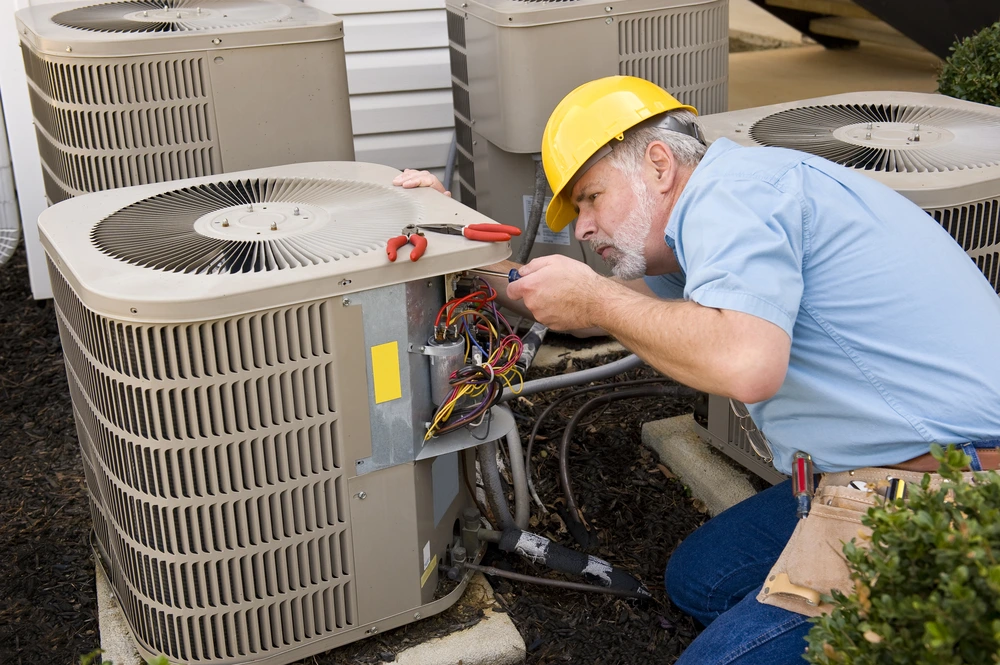
Columbia summers push well past 95 degrees, and winter nights can still dip into the 20s and 30s. That kind of swing means your HVAC system has to work hard in both directions, and when it's finally time to replace an aging unit, most homeowners land on the same question: is a heat pump or a furnace the right choice for my Columbia, SC home? The honest answer depends on your home's insulation, your budget, and how you actually use your system day to day, but the differences between the two are worth understanding before you commit to either one.
At Air Logic, we install and service both systems throughout the Columbia area, and we've walked many local homeowners through this exact decision. Below, we break down how heat pumps and furnaces compare on efficiency, climate performance, and maintenance, so you can make the call with confidence.
The core difference between these two systems comes down to how they create warmth.
Heat pump: Rather than generating heat, a heat pump transfers it. It pulls existing heat from the outdoor air and moves it inside during winter, then reverses the process in summer to move heat out of your home and act as an air conditioner. One system handles both jobs.
Furnace: A furnace generates heat directly, either by burning natural gas or through electric resistance, then distributes that warm air through your ductwork. It's a heating-only system, so a furnace is typically paired with a separate central air conditioner for cooling.
That single distinction, transferring heat versus generating it, is what drives most of the differences in efficiency, cost, and climate performance you'll read below.
Because a heat pump moves existing heat instead of creating it, it can deliver more heating energy than the electricity it consumes, which is why heat pumps are consistently rated among the most energy-efficient heating and cooling systems available. In a mild climate like Columbia's, that efficiency translates directly into lower monthly utility bills, particularly in the shoulder seasons of fall and spring when temperatures rarely drop low enough to strain the system.
Furnaces, particularly gas models, generate heat through combustion, which is inherently less efficient than transferring heat. High-efficiency furnace models with strong AFUE (Annual Fuel Utilization Efficiency) ratings have narrowed that gap significantly in recent years, and in areas with low natural gas rates, a furnace's operating costs can still be competitive. The efficiency advantage generally tips toward the heat pump in a climate like Columbia's, where extreme, sustained cold is rare.
Columbia sits in a humid subtropical climate zone with mild winters, average lows typically in the 30s and 40s, with occasional cold snaps into the 20s. That climate profile matters a great deal when you're weighing a heat pump vs. furnace, because a heat pump's efficiency depends on the outdoor temperature it's pulling heat from.
Heat pumps: perform well in the Columbia climate for most of the winter season, and modern units continue to operate efficiently well below freezing. Performance only meaningfully declines during the coldest snaps we see in the Midlands.
Furnaces: aren't dependent on outdoor air temperature at all, since they generate their own heat. That makes a furnace the more reliable option for homeowners who want consistent, high-output heat regardless of how cold it gets outside.
Dual fuel systems: pair a heat pump with a furnace as backup, automatically switching to gas heat during the rare deep cold snap. It's worth asking about if you want the efficiency of a heat pump with a furnace's cold-weather backup built in.
The biggest practical advantage of a heat pump for a Columbia home is that it's a single system built to handle both sides of our climate. Instead of running a furnace all winter and a separate air conditioner all summer, one heat pump manages both, which simplifies maintenance and equipment replacement down the road.
When Air Logic handles a heat pump installation in Columbia, SC, the process starts with an assessment of your home's size, insulation, and heating and cooling needs, followed by helping you select the right model for your budget. Our certified technicians handle the installation itself, then test and fine-tune the system to make sure it's running at full efficiency before we leave. If your current setup is more than 10 years old or has needed frequent repairs, that's usually the point where switching to a heat pump starts to make financial sense.
Both systems need regular upkeep to run efficiently and last as long as they should, but the specifics differ slightly.
On lifespan, a well-maintained furnace can often last close to 15 to 20 years, since it only runs during the heating season, while a heat pump typically lasts closer to 10 to 15 years due to the year-round workload of handling both heating and cooling. Regular maintenance is the biggest factor in getting the full lifespan out of either system.
Whether you currently have a heat pump or a furnace, a few warning signs usually mean it's time to start planning for a replacement rather than another repair:
If any of that sounds familiar, it's worth having a professional HVAC company assess your current system before it fails on the coldest night of the year.
Helpful reading on heat pump installation and choosing the right system for your Columbia home.
Choosing between a heat pump and a furnace comes down to your home, your budget, and how you want your system to perform through Columbia's hot summers and mild winters. Our team at Air Logic can walk through your current setup, answer your questions, and recommend the option that actually fits your home instead of a one-size-fits-all answer.
Call us at (839) 221-3512 or contact Air Logic online to get a straight answer on whether a heat pump or a furnace is the right call for your Columbia home.
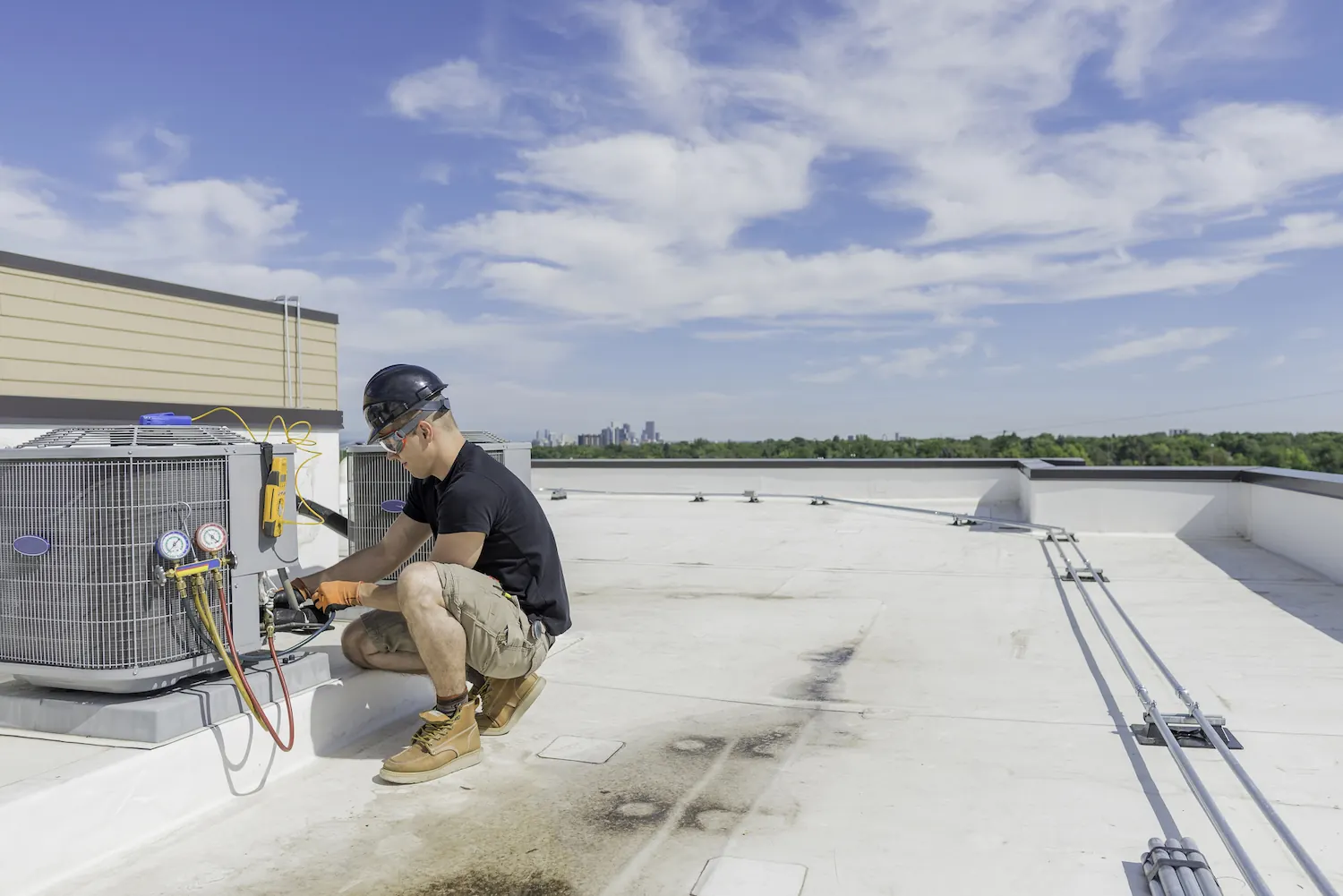

From AC repairs to heating installations and indoor air quality solutions, our certified HVAC specialists are ready to help whenever you need us. Count on us for honest guidance, dependable service, and quick response times.
Reach out today, we’re always here to keep you comfortable.
Air Logic
534 St. Andrews Rd, #C, Columbia, SC 29210
(839) 221-3512