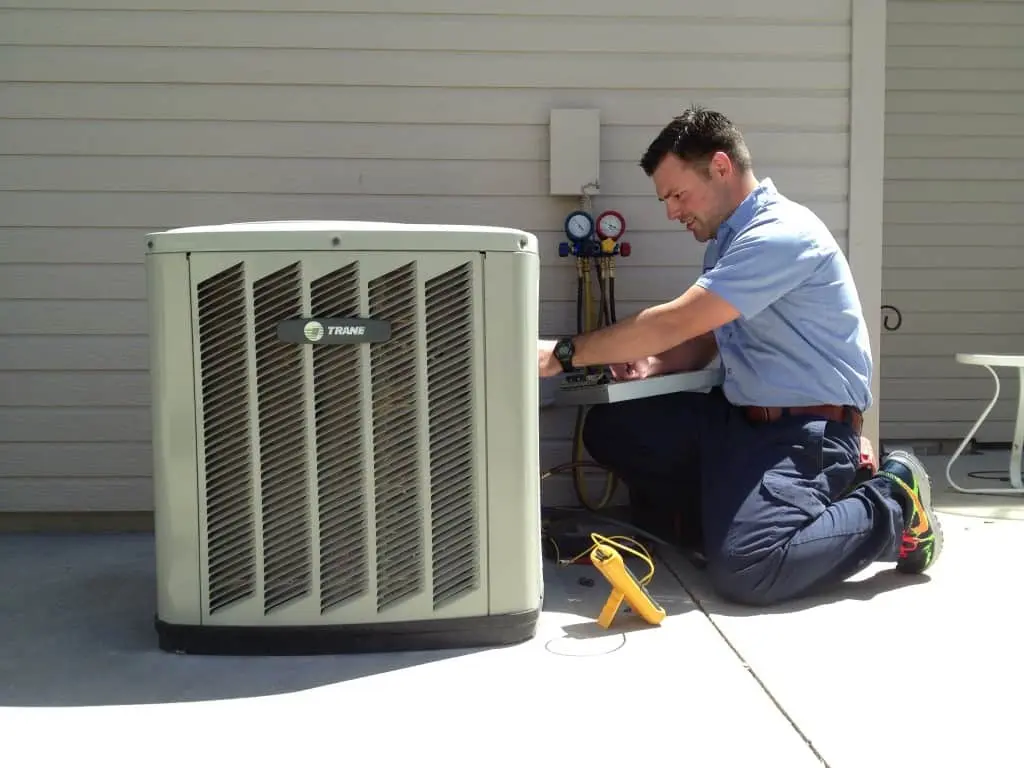
Your air conditioner does not usually fail all at once. Long before a compressor seizes or a system stops cooling altogether, a failing AC quietly drives up your energy bills, one degraded part and one extra run cycle at a time. If your utility bill has been creeping upward even though your habits have not changed, the culprit is very likely sitting in your attic, closet, or side yard right now. At Air Logic, we inspect and repair AC systems across Columbia, SC and the Midlands every week, and the pattern is almost always the same: small inefficiencies that homeowners never notice until they open a bill that is higher than it should be.
This article breaks down exactly how a struggling AC system translates into higher energy costs, the warning signs to watch for, and what Columbia homeowners can do about it before a minor inefficiency turns into a major repair or full system failure.
Every air conditioner is rated for a certain level of efficiency, but that rating only holds true when the system is clean, properly charged, and mechanically sound. As components wear down or airflow becomes restricted, your AC has to run longer and work harder to reach the same temperature it used to hit easily. That extra run time is measured in kilowatt-hours (kWh), and kWh is exactly what your electric utility bills you for. A unit operating at 70 percent efficiency instead of 100 percent does not just cool your home more slowly, it consumes noticeably more electricity to do the same job.
The frustrating part is that this decline happens gradually. Most homeowners do not notice a single dramatic spike; instead, they see their bill climb a little more each month and assume it is just the South Carolina heat. In many cases, a failing component is the real reason behind that upward trend.
Several issues tend to show up again and again in the systems our technicians inspect. Watch for these signs of AC efficiency loss in your own home:
Any one of these issues on its own can raise your energy bill. When two or three occur at the same time, which is common in systems that have gone a year or more without maintenance, the effect on your bill compounds quickly.
It is easy to underestimate how much these issues add up. A restricted airflow problem alone can force a blower motor to run significantly longer to move the same amount of air. Low refrigerant means the compressor works harder for a smaller cooling effect. Duct leaks send conditioned air into your attic or crawlspace instead of your living room, so the system has to keep running to compensate. None of these problems show up as a single line item on your utility bill, but together they explain why your air conditioning costs can climb well beyond what your home's size and the season would normally justify.
Columbia's long cooling season and high summer humidity put more demand on air conditioning systems than in most parts of the country. An AC unit here is not just lowering the temperature, it is also working continuously to remove moisture from the air. A system that is already losing efficiency has to fight both heat and humidity for months at a time, which means inefficiencies that might be minor elsewhere in the country get amplified in a Columbia, SC summer. This is one of the main reasons our team encourages Midlands homeowners to address small AC problems early rather than waiting for a full breakdown in July or August.
For systems that are relatively new and otherwise well maintained, a repair, such as sealing a refrigerant leak, replacing a capacitor, or clearing restricted airflow, is often enough to restore efficiency and stop the bill creep. But if your system is aging, has needed multiple repairs recently, or is no longer cooling your home evenly, continuing to patch it can end up costing more over time than upgrading to a properly sized, energy-efficient system. Air Logic's technicians evaluate your home's cooling needs, check your ductwork for leaks or damage, and walk you through system options with a range of SEER ratings so you are not paying to cool your home twice, once through your electric bill and again through wasted capacity.
A correctly sized, professionally installed AC system also tends to last longer and requires fewer repairs over its lifetime, which means the efficiency gains you get on day one are more likely to hold up for years instead of fading again within a season or two.
You do not have to wait for a full system failure to start saving money. A few proactive steps go a long way toward protecting both your comfort and your energy bill:
Helpful reading on choosing, sizing, and installing a new AC system in Columbia, SC.
If your energy bills have been climbing and you are not sure why, do not wait for a full breakdown to find out. Air Logic proudly serves Columbia, SC homeowners with thorough AC inspections, honest repair recommendations, and expert installation for those ready to upgrade to a more efficient system. Our licensed technicians will identify exactly what is driving up your energy costs and give you a clear, straightforward plan to fix it.
Call Air Logic today at (839) 221-3512 or contact us online to schedule your AC inspection and start lowering your energy bills, before the next one arrives.
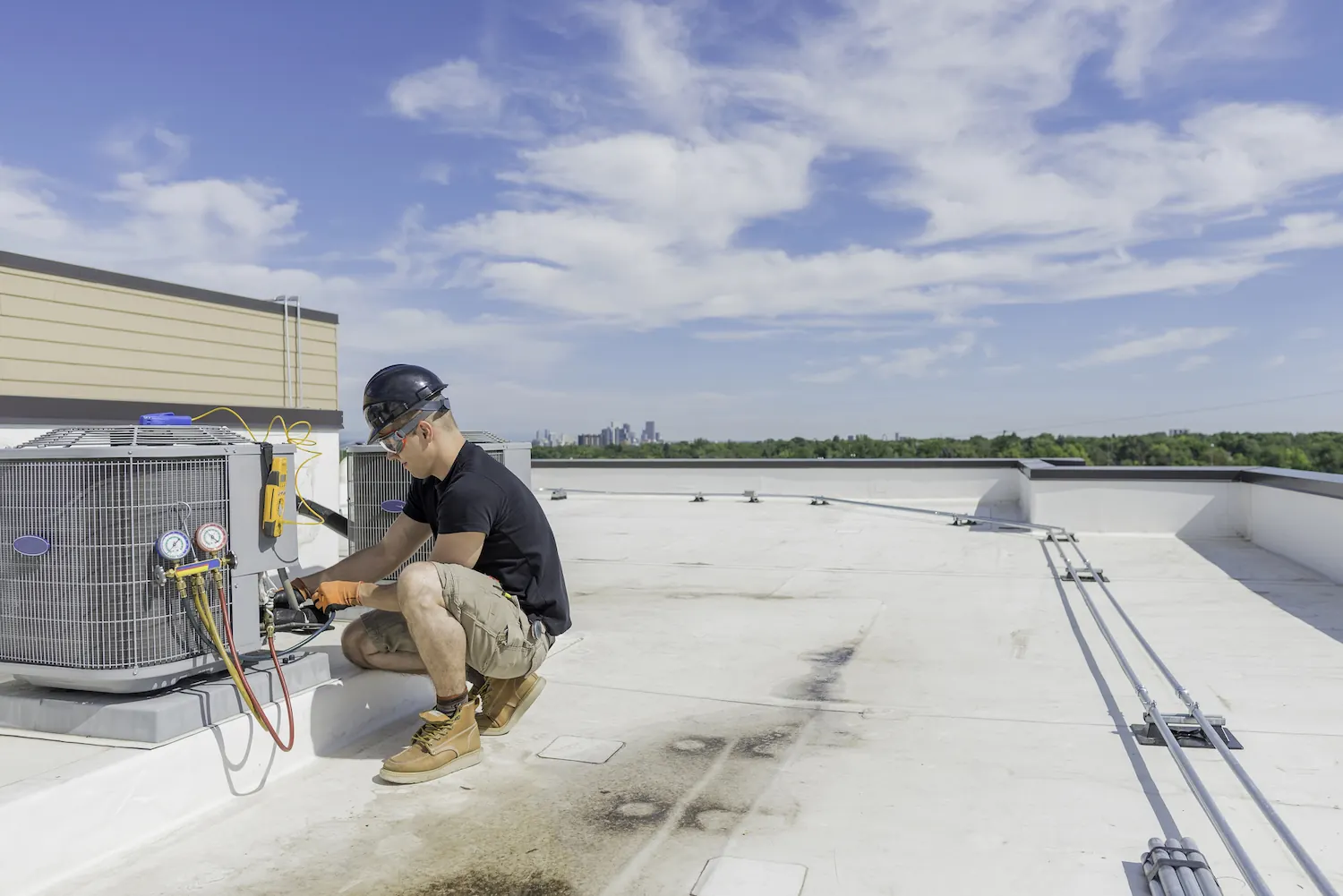
From AC repairs to heating installations and indoor air quality solutions, our certified HVAC specialists are ready to help whenever you need us. Count on us for honest guidance, dependable service, and quick response times.
Reach out today, we’re always here to keep you comfortable.
Air Logic
534 St. Andrews Rd, #C, Columbia, SC 29210
(839) 221-3512