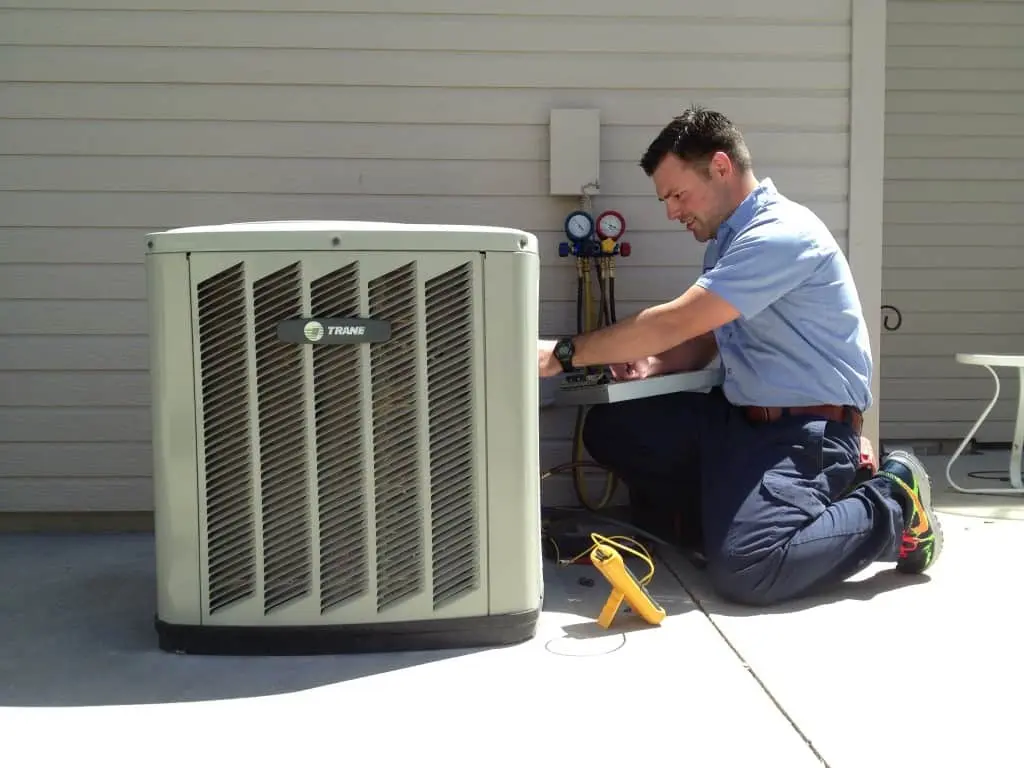
You've noticed your air conditioner isn't quite keeping up the way it used to. Maybe it's cycling more than usual, or your last electric bill made you do a double take. It still runs, though, so it's easy to tell yourself it can wait until next season. That decision, made every spring by homeowners across Columbia, SC, is exactly how a manageable repair turns into an emergency replacement in the middle of a July heat wave.
Waiting too long to replace a failing AC system typically leads to higher energy bills, more frequent and expensive repairs, a greater risk of complete breakdown during peak summer heat, and reduced comfort and indoor air quality. Homeowners who delay replacement often end up paying for both the failed repairs and the eventual replacement, usually at the worst possible time.
Below, we'll walk through what actually happens when a failing AC system is left in service too long, the warning signs to watch for, and how to know when it's time to stop repairing and start planning for a replacement.
Most residential air conditioning systems are built to last between 12 and 15 years, though that range depends heavily on maintenance history and how hard the system runs. In the Midlands of South Carolina, where summers are long, hot, and humid, AC systems often work harder and longer than units in milder climates, which can shorten their effective lifespan.
A well-maintained system that receives regular tune-ups may perform reliably closer to the 15-year mark. A neglected system, especially one that's already needed multiple repairs, may start failing well before that.
AC systems rarely fail all at once. Most breakdowns start with a smaller issue that gets ignored because the system is still technically running. Left unaddressed, these problems tend to cascade:
What starts as a single, affordable repair can turn into two or three related failures if the underlying issue isn't addressed early.
A struggling AC system has to run longer and harder to reach the same indoor temperature. That extra runtime shows up directly on your monthly electric bill. Homeowners who delay repair or replacement are often paying for the inefficiency every single month, sometimes for years, before the system finally fails.
Since heating and cooling account for a substantial share of a home's total energy use, even a modest drop in system efficiency can add up to real money over a full Columbia summer.
An AC system that's already compromised has far less capacity to handle extended periods of high heat and humidity. When temperatures in the Midlands climb into the 90s for days at a time, a weakened system is far more likely to fail completely, often at the exact moment you need it most.
Losing cooling during a heat wave isn't just uncomfortable. For older adults, young children, and anyone with a health condition, extended exposure to indoor heat can pose real health risks.
If your AC system is old enough to use R-22 refrigerant, commonly known as Freon, it's likely at least 15 years old. R-22 production was phased out in the United States, and remaining supply is limited and expensive. A refrigerant leak in one of these systems can turn a routine repair into a costly, complicated decision, since simply recharging the system is no longer a straightforward or affordable option.
A failing AC system often struggles to maintain consistent temperatures throughout the house, leaving some rooms noticeably warmer than others. It may also run continuously without effectively controlling indoor humidity, which can contribute to a stuffy, uncomfortable environment and, in some cases, contribute to mold or mildew growth in humid South Carolina homes.
When an AC system fails completely during peak season, homeowners are suddenly making major decisions under pressure. Technician schedules fill up quickly during heat waves, parts may need to be ordered, and emergency service calls typically cost more than a planned appointment scheduled in advance. Waiting until the system fails removes your ability to compare options calmly and often results in paying a premium for speed.
Watch for these warning signs that your system may be approaching the end of its service life:
If you're noticing two or more of these signs, it's worth having a professional evaluate whether repair or replacement makes more sense for your situation.
There's no universal answer, but a simple guideline can help frame the decision: multiply the age of your system by the estimated cost of the repair. If that number exceeds half the cost of a new system, replacement is typically the more financially sound choice.
Beyond cost, consider:
A professional assessment from a certified technician can give you a clearer picture than guesswork, especially when weighing the cost of continued repairs against a new, more efficient system.
Scheduling a replacement before your system fails gives you options that a mid-summer breakdown doesn't. Planning ahead means:
At Air Logic, our certified technicians can evaluate your current system and walk you through your AC installation options honestly, without pressure. If your system still has some life left, our AC repair team can address the issue directly. If it's clear your system is nearing the end of its lifespan, our AC replacement services help you choose the right equipment for your home and budget. Regular AC maintenance can also extend the life of your current system and catch small issues before they escalate.
Helpful reading on choosing, sizing, and installing a new AC system in Columbia, SC.
A failing AC system rarely gets better on its own, and every season you wait adds strain, cost, and risk. Whether your system needs a repair now or is approaching the end of its lifespan, getting an honest evaluation before summer heat peaks gives you the time and options a breakdown won't.
Air Logic has served Columbia and the Midlands for over 30 years with honest guidance and dependable HVAC service. Our certified technicians will assess your system, explain your options clearly, and help you make the decision that's right for your home and budget.
Call us today at (839) 221-3512 or contact us online to schedule your AC evaluation in Columbia, SC.
From AC repairs to heating installations and indoor air quality solutions, our certified HVAC specialists are ready to help whenever you need us. Count on us for honest guidance, dependable service, and quick response times.
Reach out today, we’re always here to keep you comfortable.
Air Logic
534 St. Andrews Rd, #C, Columbia, SC 29210
(839) 221-3512