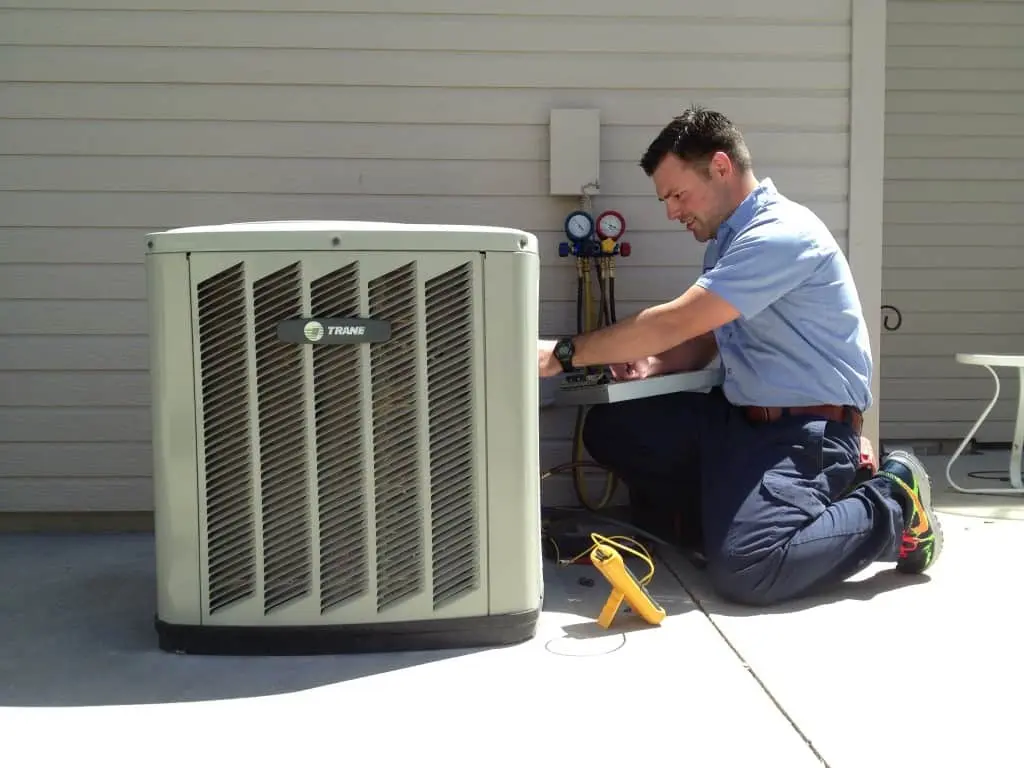
Your air conditioner might still be blowing cold air, but that doesn't mean it's actually doing its job. If your home feels sticky even when the thermostat says it's cool, or if you've noticed a musty smell that won't go away, the temperature setting isn't the problem. Your AC's ability to control humidity and filter the air you breathe is.
This is one of the most overlooked issues in home comfort. Homeowners focus on whether the air feels cold, but an aging or undersized AC system can quietly let humidity and indoor air quality slip for months, or years, before anyone realizes what's actually causing it.
An aging or undersized AC system loses its ability to remove moisture from the air efficiently, which raises indoor humidity, encourages mold and mildew growth, reduces filtration effectiveness, and allows more dust, allergens, and pollutants to circulate through the home. The result is a house that feels clammy, smells musty, and costs more to run, even when the temperature seems fine.
Below, we'll break down exactly how system age and improper sizing affect humidity and air quality in Columbia, SC homes, and what to watch for before it becomes a bigger problem.
Cooling the air is only half of what an AC system is supposed to do. The other half is pulling moisture out of the air as it passes over the indoor coil. In Columbia's humid subtropical climate, where summer humidity regularly climbs into uncomfortable territory, that dehumidification function is just as important as temperature control.
When an AC system can't keep up with the humidity load, your home may feel warmer than the thermostat setting suggests, since damp air feels hotter than dry air at the same temperature. Over time, that excess moisture can affect more than comfort. It can affect the health of your home and the air inside it.
As an AC system ages, wear on the compressor, coils, and refrigerant charge reduces its ability to run efficiently. An aging system often short-cycles or struggles to maintain steady runtimes, both of which reduce the amount of moisture it can pull from the air during each cooling cycle. The result is a home that feels cool but damp, a common complaint in older systems that are technically still working.
Older AC units typically operate with less efficient filtration and airflow than newer systems. Worn components and accumulated wear and tear can allow dust, pollen, pet dander, and other pollutants to circulate more freely through your home instead of being captured by the system. Homeowners with allergies or respiratory sensitivities are often the first to notice this shift, even before energy bills or comfort complaints show up.
When indoor humidity stays elevated for extended periods, it creates ideal conditions for mold and mildew growth, particularly in bathrooms, closets, basements, and around windows. This isn't just a comfort issue. Mold growth can affect indoor air quality and, in some cases, contribute to respiratory irritation for people living in the home.
An aging system working harder to remove moisture and maintain temperature uses more energy to do the same job a newer, properly functioning system would do more efficiently. If your energy bills have crept up without a clear change in your household's usage habits, a struggling AC system is often the reason.
Age isn't the only factor. A system that was never properly sized for your home in the first place can create many of the same humidity and comfort problems, regardless of how new it is.
An undersized AC system has to run for extended periods to try to meet the home's cooling demand. On mild days, this might not be noticeable. But during peak Columbia summer heat, an undersized system can run almost continuously and still fail to reach the thermostat's set temperature, leaving the home warm, humid, and uncomfortable.
When a system doesn't have enough capacity for the home it's cooling, certain rooms, particularly those farthest from the air handler or with more window exposure, often stay noticeably warmer and more humid than others. This unevenness is a common sign that the equipment doesn't match the home's actual cooling load.
It's a common assumption that a larger, more powerful AC system will solve humidity and comfort problems. In reality, an oversized system can create its own set of issues.
An AC that's too large for the home cools the air quickly and satisfies the thermostat before it has run long enough to meaningfully remove humidity from the air. This creates a home that reaches the target temperature fast but still feels clammy or sticky. Oversized systems also tend to short cycle, turning on and off frequently rather than running in longer, steadier cycles. That constant starting and stopping adds wear to components and reduces the system's ability to control moisture effectively.
The right AC size isn't determined by square footage alone. Insulation, window exposure, ductwork condition, ceiling height, and the home's overall air leakage all factor into the correct capacity. This is why a proper load calculation, rather than simply replacing an old unit with a same-sized model, is the most reliable way to get sizing right.
Watch for these common indicators that your system, whether due to age or sizing, isn't managing humidity and air quality the way it should:
If you're noticing several of these signs together, it's worth having a professional evaluate whether the issue is related to system age, improper sizing, or another underlying cause.
The most effective long-term fix for chronic humidity and air quality problems is making sure your cooling system is properly matched to your home and in good working condition. That can include:
At Air Logic, our technicians evaluate more than just the age of your equipment. We look at how your current system is performing, whether it's properly sized for your home, and what upgrades would make the biggest difference in comfort and air quality. Our AC installation services include a full evaluation of your home's cooling needs, not just a like-for-like equipment swap. If your current system just needs a tune-up rather than a full replacement, our AC maintenance plans can help keep humidity control and filtration performing as intended. For homes dealing with ongoing moisture, dust, or allergy concerns, our indoor air quality solutions, including whole-home filtration and humidity control, can work alongside your cooling system for a healthier indoor environment.
Helpful reading on choosing, sizing, and installing a new AC system in Columbia, SC.
If your home feels muggy, smells musty, or seems to cool unevenly no matter what you set the thermostat to, your AC system's age or sizing may be the real culprit behind it. Addressing the equipment itself, rather than just adjusting the thermostat, is the only way to fix the underlying humidity and air quality problem.
Air Logic has served Columbia and the Midlands for over 30 years with honest, expert HVAC guidance. Our certified technicians will evaluate your current system, explain what's affecting your home's comfort and air quality, and help you choose the right solution for your space and budget.
Call us today at (839) 221-3512 or contact us online to schedule an AC and indoor air quality evaluation in Columbia, SC.

From AC repairs to heating installations and indoor air quality solutions, our certified HVAC specialists are ready to help whenever you need us. Count on us for honest guidance, dependable service, and quick response times.
Reach out today, we’re always here to keep you comfortable.
Air Logic
534 St. Andrews Rd, #C, Columbia, SC 29210
(839) 221-3512