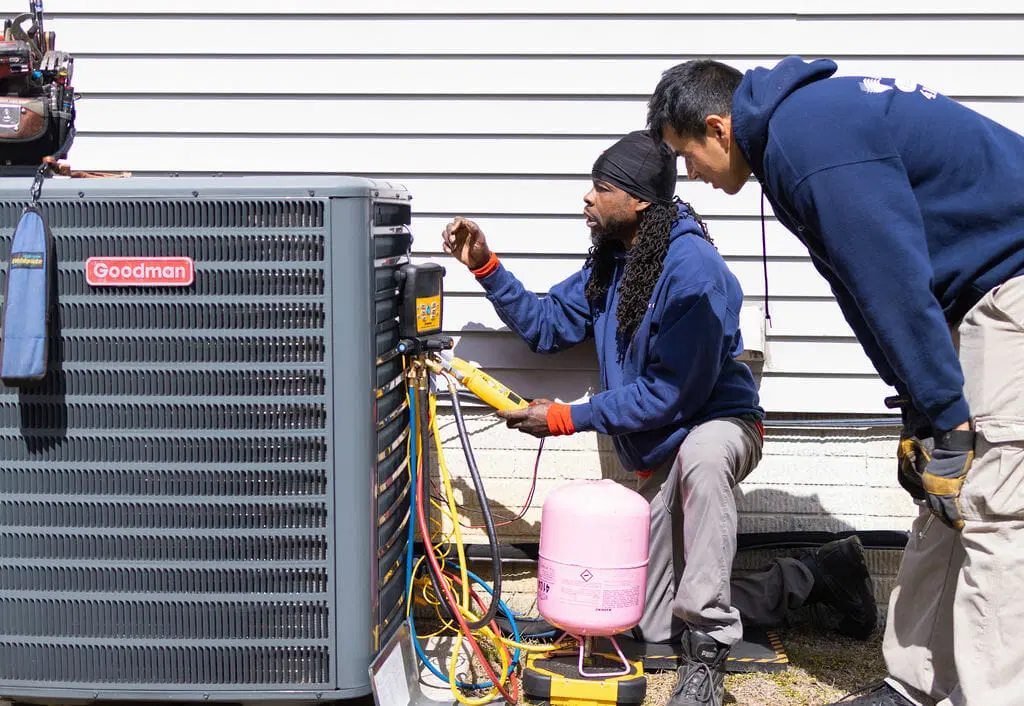
There’s nothing more frustrating than your air conditioner failing during a hot South Carolina day. When temperatures rise in Columbia, SC, losing cool air can quickly make your home uncomfortable and stressful. While some air conditioning problems require immediate professional repair, there are a few important steps homeowners can take before calling for emergency HVAC service.
At Air Logic, we understand how urgent cooling problems can feel. That’s why we want homeowners to know exactly what to do before calling for emergency AC repair. In some cases, simple troubleshooting can restore your cooling system quickly. In other situations, taking the right precautions before an HVAC technician arrives can help prevent additional damage and speed up repairs.
Before scheduling emergency AC repair, homeowners should:
If these steps don’t resolve the issue, it’s time to contact a professional HVAC company like Air Logic for emergency AC repair in Columbia, SC.
Air conditioning systems can stop working for many reasons, especially during periods of heavy summer use. Aging units are particularly vulnerable to sudden breakdowns due to worn components, refrigerant issues, and electrical wear. If your unit is more than 10 years old, learn more about Emergency AC Repair for Older HVAC Systems and how aging systems require specialized attention.
Common Causes of AC Failure:
Some problems are minor and easily corrected, while others require professional repairs.
One of the first things homeowners should do before calling for emergency AC service is inspect the thermostat.
Make Sure:
Sometimes accidental setting changes or battery issues can make it appear that the AC system has stopped working.
A dirty air filter is one of the most common reasons for poor cooling performance and airflow problems.
Signs of a Dirty Air Filter:
Restricted airflow can strain your system and even cause evaporator coils to freeze.
What to Do:
Regular filter replacement helps improve airflow, efficiency, and indoor comfort.
Sometimes the issue isn’t the air conditioner itself—it’s the electrical supply.
Before Calling for Emergency Service:
If the breaker trips repeatedly, do not continue resetting it. This may indicate a serious electrical problem requiring professional attention.
Frozen AC coils are a common issue during hot weather and can stop your system from cooling properly.
Signs of Frozen Coils:
What to Do:
Frozen coils may be caused by airflow restrictions or refrigerant problems.
Blocked vents can reduce airflow and make your AC system work harder than necessary.
Check for:
Proper airflow is essential for maintaining cooling performance and preventing system strain.
Strange noises can provide important clues about what’s wrong with your air conditioner.
Common AC Noises and Possible Causes:
If you hear loud or unusual noises, turn the system off and contact an HVAC professional immediately.
Air conditioners naturally produce condensation, but excessive water leaks may indicate a problem.
Possible Causes of Water Leaks:
Ignoring water leaks can lead to water damage and mold growth.
Odors coming from your AC system should never be ignored.
Common HVAC Odors:
If you notice strong or unusual smells, turn off the system and schedule emergency service.
In some situations, continuing to run the system can cause further damage.
Turn Off Your AC If You Notice:
Turning the system off can help protect critical components until a technician arrives.
While basic troubleshooting can sometimes resolve minor issues, a professional HVAC company has the tools and expertise needed to diagnose more serious problems safely.
Professional Emergency AC Service Can Help:
At Air Logic, our technicians provide reliable emergency AC repair services for homeowners throughout Columbia, SC.
Many emergency AC breakdowns can be prevented with routine maintenance.
Benefits of AC Maintenance:
Maintenance Tasks Include:
Regular AC maintenance helps your system stay prepared for South Carolina’s hottest days.
Some cooling issues require immediate professional attention.
Call for Emergency AC Service If:
Prompt service can help restore comfort and prevent further HVAC damage.
At Air Logic, we understand how important dependable cooling is during South Carolina summers. Homeowners trust us because we prioritize:
Our goal is to help homeowners restore comfort quickly while improving HVAC reliability and efficiency.
Helpful reading on emergency AC repair and keeping your system running in Columbia's heat.
What older systems are more prone to, and how to catch failures before they become emergencies.
Read GuideQuick checks that can save you a service call, and info to have ready when you call us.
Read GuideWhy Columbia summers put extra strain on AC units, and what it means for your system.
Read GuideIf troubleshooting doesn’t solve the problem, Air Logic is here to help with fast, dependable emergency AC repair services in Columbia, SC.
Call us today at 839-221-3512 or visit our Contact Us page:
Our experienced team is ready to restore comfort to your home with professional HVAC solutions you can trust when you need them most.
From AC repairs to heating installations and indoor air quality solutions, our certified HVAC specialists are ready to help whenever you need us. Count on us for honest guidance, dependable service, and quick response times.
Reach out today, we’re always here to keep you comfortable.
Air Logic
534 St. Andrews Rd, #C, Columbia, SC 29210
(839) 221-3512